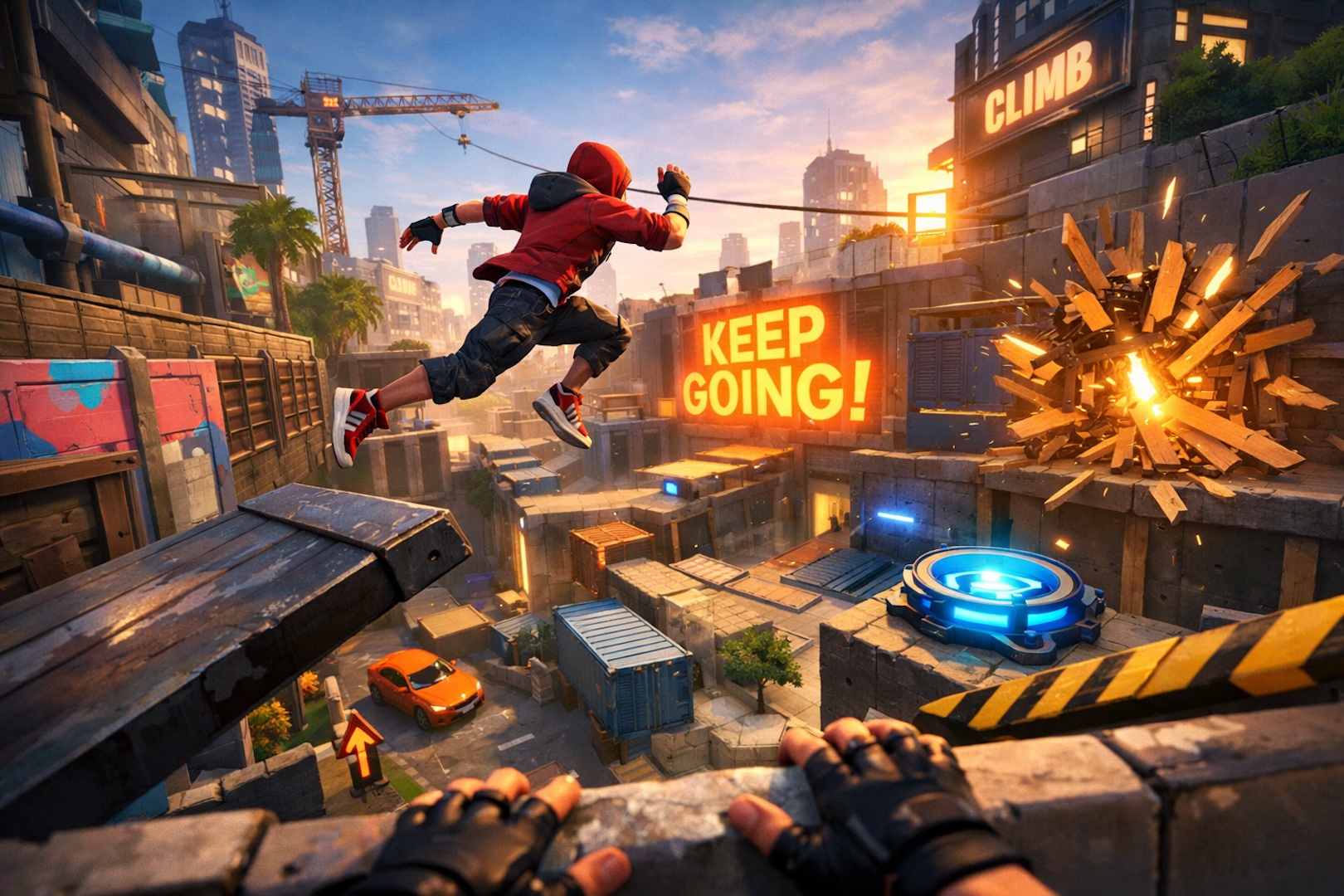

The State of UEFN & Fortnite Creative in 2026
Community Health, Creator Economy, and What Developers Should Build Next
Fortnite is no longer just a battle royale game. It is a live-service entertainment platform, a creator economy, a social space, and increasingly, a development ecosystem where studios and independent creators build playable experiences with Unreal Editor for Fortnite, better known as UEFN.
Thank you for reading this post, don't forget to subscribe!The 2026 Fortnite Creative landscape is defined by a strange but important tension: the platform is still massive, but the community is becoming more selective. Players have more options, creators have more tools, and Epic Games is giving developers deeper monetization, publishing, and storytelling systems.
At the same time, community trust, moderation, mental health, discoverability, and monetization transparency are becoming central issues for Fortnite island developers.
The Annual Fortnite Community Report created by FortniteCreative GPT shows that Fortnite remains one of the largest gaming platforms in the world, with hundreds of millions of registered accounts, a growing creator economy, major UEFN updates, and new risks around harassment, addiction concerns, pricing backlash, and community safety.
For UEFN developers, the message is clear: the next generation of successful Fortnite islands will not be built only around flashy mechanics. They will be built around trust, retention, community health, fair monetization, and meaningful player experiences.
>> View the full report here:
2026 ANNUAL UEFN AND FORTNITE COMMUNITY REPORT
What the 2026 Fortnite Community Report Tells Us
The April 2026 community report highlights several major trends shaping Fortnite Creative and UEFN.
Fortnite still has a massive player base, with the report citing more than 650 million registered Fortnite accounts and daily active user estimates around 1 to 1.3 million players in early 2026. However, engagement has softened compared with previous peaks, with average monthly playtime on PlayStation and Xbox reportedly declining from 2023 levels.
At the same time, the creator ecosystem is expanding. Epic has paid hundreds of millions of dollars to Fortnite creators, and the report notes that cumulative creator payouts exceeded $722 million across roughly 260,000 UEFN islands by late 2025.
That combination creates a more competitive environment. There are still millions of players to reach, but attention is harder to earn. Players are not just looking for another tycoon, box fight, or simulator. They are looking for experiences worth returning to.
Why Fortnite Creative Is Becoming a Platform, Not Just a Mode
Fortnite Creative began as a building tool. UEFN turned it into a development pipeline.
Epic describes UEFN as a PC application for designing, developing, and publishing games directly into Fortnite. Developers can use UEFN alongside Fortnite Creative tools, Verse scripting, imported assets, devices, cinematic systems, publishing workflows, and live-service update strategies.
Creators can now build with more advanced logic, custom gameplay systems, imported content, cinematic tools, branded collaborations, in-island transactions, and experimental AI-powered NPC conversations.
The report points to several major 2026 shifts, including:
- Expanded UEFN creator tools
- Star Wars asset access for eligible developers
- Experimental AI-powered NPC dialogue
- In-island transactions and gameplay item sales
- Save the World becoming free-to-play
- Updated developer rules around safety, AI personas, monetization, and moderation
This evolution changes what it means to be a Fortnite creator. The most competitive teams are no longer just map makers. They are becoming live game operators.
That means creators need to think about:
- Player onboarding
- Community rules
- Retention loops
- Ethical monetization
- Discoverability
- Update cadence
- Brand safety
- Player wellbeing
- Moderation systems
- Long-term content strategy
UEFN is making Fortnite more powerful, but also more demanding.
The Creator Economy is Growing,
but so is Competition
One of the strongest signals in the report is the size of the Fortnite creator economy. Epic’s creator payouts show that Fortnite Creative is no longer an experimental side economy. It is a serious revenue channel for studios, solo developers, and creator-led teams.
But a larger economy also means a crowded marketplace.
A UEFN island in 2026 is competing against:
- Other Massively Popular Fortnite Creative islands
- Battle Royale updates
- LEGO Fortnite
- Rocket Racing
- Fortnite Festival experiences
- Branded activations
- Roblox experiences
- Minecraft servers
- TikTok trends
- YouTube-driven game discovery
- Live-service games outside Fortnite
This means discoverability is still one of the biggest challenges for UEFN developers.
Epic’s Recommendations and Ranking in Fortnite and Fall Guys explainer is an important resource for creators who want to understand how recommendation systems may influence player discovery. Developers should also study Epic’s Fortnite documentation to stay aligned with current publishing, island creation, and platform guidance.
A technically impressive island is not enough. Developers need a launch strategy, thumbnail testing, retention design, community engagement, and ongoing updates. The best UEFN teams are starting to behave more like indie studios with publishing pipelines.
Community Health Is Now a Core Development Issue
The report places major emphasis on community health, and for good reason.
Fortnite is not just played individually. It is played socially through voice chat, party systems, squads, creator communities, Discord servers, and public matchmaking. That means player behavior directly affects retention.
The report references research showing that some Fortnite sessions involve harassment or disruptive behavior, while many sessions also include prosocial interactions such as teammates helping each other.
For developers, this creates a design challenge: your island’s rules, mechanics, and incentives can either reduce toxicity or amplify it.
Epic’s Community Rules prohibit behavior such as harassment, discrimination, cheating, scams, sharing personal information, and other harmful conduct across Epic services. UEFN creators should treat these rules as part of the design environment, not as a separate legal page players will read later.
How UEFN Developers Can Build Healthier Communities
Creators should design for positive interaction from the start. That means:
- Rewarding cooperation, not just domination
- Avoiding mechanics that encourage griefing
- Making reporting and moderation expectations clear
- Creating safe onboarding areas for new players
- Using readable rules inside the island experience
- Avoiding humiliating elimination loops
- Giving players constructive goals beyond defeating others
- Moderating associated Discords, community pages, and announcements
Community health is not separate from game design. It is part of game design.
A toxic island may spike temporarily, but a trusted island can become a long-term destination.
Fortnite’s Rules Are Getting More Important for Creators
The 2026 report highlights Epic’s Community Rules, Developer Rules, Fortnite Communities Guidelines, and restrictions around AI-powered conversations.
For UEFN developers, this matters because Fortnite is a platform with strict content boundaries. Developers are not building in a vacuum. They are building inside Epic’s ecosystem, with rules around:
- Harassment
- Hate speech
- Discrimination
- Personal information
- Real-world violence
- Illegal activity
- Scams
- Cheating
- Inappropriate conduct
- Regulated goods
- Paid promotions
- AI-generated interactions
- Medical and mental-health claims
- Romantic or parasocial AI personas
Creators should bookmark and regularly review Epic’s official rule pages:
- Fortnite Developer Rules
- Epic Games Community Rules
- Fortnite Communities Guidelines
- Fortnite Developer Terms
- UEFN Supplemental Terms
The report specifically notes that AI-powered NPC conversations are subject to strict rules, including restrictions on medical guidance, mental-health guidance, romantic partner simulation, and bypassing safety systems. Creators should follow the current Fortnite Developer Rules and the Developer Rules Change Log to stay aware of new requirements.
This is especially important because AI characters could become a major part of future UEFN storytelling. But creators need to treat them as moderated interactive systems, not unrestricted chatbots.
AI NPCs Could Change Fortnite Creative Storytelling
One of the most interesting developments in the report is the emergence of experimental AI-powered NPC conversations.
For UEFN developers, this could unlock new types of Fortnite experiences:
- Mystery games with dynamic witnesses
- RPG quest givers with flexible dialogue
- Training simulations
- Interactive tutorials
- Social deduction characters
- Lore-driven exploration
- Companion-style gameplay
- Educational or museum-like experiences
- Branching narrative islands
But the opportunity comes with risk.
AI characters can create unpredictable interactions. That means developers need strong prompt design, clear boundaries, testing, and compliance with Epic’s rules.
The best use of AI NPCs in Fortnite Creative will not be “talk to anything about anything.” It will be focused, purposeful, and safe. A strong AI NPC should have a defined role, a limited context, and a clear gameplay function.
For example, a good AI NPC might be:
“A cantina informant who gives clues about hidden objectives on the island.”
A risky AI NPC would be:
“A romantic companion who gives personal life advice to players.”
The future of AI in UEFN will belong to creators who understand both storytelling and safety.
Monetization Is Entering a New Phase
The report identifies in-island transactions as one of the biggest monetization changes for UEFN developers. Since late 2025, creators have been able to sell gameplay items, consumables, and entitlements inside their Fortnite islands, with creators keeping 100% of V-Bucks revenue until January 31, 2027, before the share changes.
This is a major shift.
Fortnite Creative monetization is moving beyond engagement payouts alone. Developers can now think more like live-service game designers, offering optional purchases tied to progression, cosmetics, boosts, or gameplay systems.
However, monetization must be handled carefully. Developers should use Epic’s Fortnite Developer Rules, Fortnite Developer Terms, and UEFN Supplemental Terms as baseline references before designing paid island systems.
The report also highlights community backlash around V-Bucks pricing changes and broader concerns about addictive design and youth gaming habits. That means UEFN developers should avoid short-term monetization tactics that damage trust.
Better Monetization Principles for UEFN Islands
Creators should focus on monetization that feels fair, transparent, and optional.
Strong monetization models may include:
- Cosmetic upgrades
- Optional convenience items
- Expansion-style content
- Non-essential collectibles
- Season passes with clear value
- Supporter items
- Premium quest lines that do not punish free players
Riskier models include:
- Pay-to-win advantages
- Hidden gameplay advantages
- Aggressive time pressure
- Confusing item value
- Randomized reward systems that feel gambling-like
- Purchases aimed at exploiting younger players
- Progression designed to feel intentionally frustrating without payment
The safest long-term monetization strategy is simple: make players feel respected.
Player Wellbeing Is Becoming Part of the Conversation
The report does not treat gaming as purely harmful or purely positive. Instead, it presents a more balanced picture.
It cites research suggesting that gaming can help players cope with stress, feel less alone, build social connection, and experience positive emotions. It also notes risks around excessive gaming, addiction-like behavior, reduced physical activity, negative chat exposure, and lawsuits alleging harm from Fortnite-related gaming addiction.
For creators, this matters because Fortnite islands can influence how players feel and behave.
A well-designed island can support:
- Social connection
- Creativity
- Teamwork
- Relaxation
- Skill growth
- Positive competition
- Emotional escape
- Community belonging
A poorly designed island can encourage:
- Compulsion
- Frustration
- Toxicity
- Spending pressure
- Social exclusion
- Repetitive reward chasing
- Unhealthy play patterns
UEFN developers should not try to act as therapists, but they should understand that players are humans, not metrics.
Epic’s Young Player Policy is also relevant for creators building general-audience experiences, especially when designing chat, social systems, account safety messaging, or community prompts around younger players.
Design choices matter.
Star Wars Assets Signal a Bigger Future for Branded UEFN Experiences
The report highlights Epic’s major Star Wars update, which gave UEFN developers access to a large library of Star Wars assets, locations, characters, vehicles, and Force-inspired systems under specific conditions.
This is bigger than one collaboration.
It signals Fortnite’s direction as a platform for licensed, creator-built entertainment. UEFN may increasingly become a place where creators build within major IP ecosystems, provided they follow brand and platform rules.
For developers, this opens new opportunities:
- Branded adventure islands
- Fan-friendly lore experiences
- Cinematic quests
- Combat arenas
- Co-op missions
- Roleplay hubs
- Themed social spaces
- Creator-led extensions of major franchises
However, branded tools also require discipline. Creators need to follow IP guidelines, avoid misleading players, and build experiences that feel additive rather than exploitative.
Epic’s Fortnite Developer Rules, Epic Games Content Guidelines, and Intellectual Property FAQ are useful references for creators working with Epic-owned assets, imported assets, branded opportunities, or island metadata.
The future of Fortnite Creative may include more licensed asset libraries, but the winners will be developers who use them to create original gameplay, not just recognizable thumbnails.
Save the World Going Free-to-Play Could Influence UEFN Design
The report notes that Save the World became free-to-play in April 2026, with progression updates and rewards for existing owners.
This matters for UEFN because Save the World represents a different kind of Fortnite experience: cooperative, progression-driven, mission-based, and PvE-focused.
As more players gain access to that mode, creator expectations may shift. UEFN developers could benefit from studying what Save the World does well:
- Co-op survival loops
- Objective-based missions
- Resource collection
- Upgrade paths
- Enemy waves
- Class-like roles
- Long-term progression
- Narrative framing
The opportunity is not to clone Save the World. The opportunity is to learn from its structure and build creator-made PvE islands that satisfy players looking for teamwork and progression.
What UEFN Developers Should Build in 2026
Based on the report’s trends, the strongest opportunities for Fortnite Creative developers are likely to come from islands that combine polished gameplay with responsible community design.
1. Cooperative PvE Experiences
Co-op games support positive social interaction and may reduce some forms of competitive toxicity. UEFN creators can explore:
- Wave survival
- Dungeon runs
- Boss fights
- Extraction missions
- Class-based co-op
- Narrative campaigns
- Puzzle-adventure hybrids
2. Narrative Islands With Dynamic Characters
As AI NPC tools mature, creators can build more reactive story worlds. Strong formats include:
- Detective mysteries
- Sci-fi roleplay missions
- Fantasy quest hubs
- Interactive tutorials
- Branching dialogue adventures
- Faction-based storytelling
3. Social Hubs With Purpose
Social islands need more than open space. They need structured activity.
Good social hubs may include:
- Mini-games
- Quests
- Creator events
- Light progression
- Customization
- Group challenges
- Community announcements
- Safe moderation expectations
Creators using Fortnite Communities should also follow the official Fortnite Communities Guidelines, especially when posting announcements, paid posts, community updates, or moderated content.
4. Fair Monetized Progression Games
With in-island transactions available, creators can build progression systems that monetize ethically.
Examples include:
- Optional cosmetics
- Upgradeable bases
- Collectible companions
- Premium challenge tracks
- Non-pay-to-win boosts
- Creator supporter items
5. Branded or Themed Experiences With Original Mechanics
Licensed assets can attract attention, but gameplay keeps players. Creators should use recognizable themes as the entry point, then deliver original mechanics that make the experience worth replaying.
SEO and Discovery Lessons for Fortnite Creative Teams
UEFN development is not only about the island. It is also about how players find the island.
Creators should think beyond Fortnite Discover and build a content ecosystem around their experiences.
Recommended Content Strategy
A strong Fortnite Creative launch should include:
- A keyword-optimized island landing page
- YouTube Shorts and TikTok gameplay clips
- A Discord announcement plan
- X and LinkedIn posts for creator updates
- Patch notes written for both players and search engines
- Behind-the-scenes development posts
- Creator economy case studies
- Community polls
- Update teasers
- Tutorial content for complex mechanics
Useful Keyword Clusters
Creators and studios can build content around keyword clusters such as:
- Best UEFN islands 2026
- Fortnite Creative co-op maps
- How to make a UEFN island
- UEFN monetization guide
- Fortnite Creative AI NPCs
- UEFN in-island transactions
- Fortnite Creative community rules
- Fortnite island marketing
- UEFN player retention
- Fortnite Creative discovery tips
A UEFN island is easier to grow when it has searchable content outside Fortnite.
How Developers Can Leverage This Report
A community report is most useful when it becomes more than a summary of trends. For UEFN developers, this report can function as a strategic planning tool: a way to understand the Fortnite ecosystem, evaluate where an island or studio currently stands, and identify what needs to improve next.
The report gives creators a broader view of the platform beyond their own analytics dashboard. Island-level metrics can show retention, engagement, and player counts, but they do not always explain why the ecosystem is changing. A community report adds context around player behavior, Epic’s evolving rules, creator economy shifts, community sentiment, monetization expectations, and broader wellbeing concerns.
1. Use the Report to Understand the Ecosystem Around Your Island
Every UEFN island exists inside a larger ecosystem. Players are moving between Fortnite modes, creator-made islands, branded experiences, social platforms, streams, Discord communities, and competing games.
Developers can use this report to understand:
- How Fortnite’s player base is changing
- What types of community issues are becoming more visible
- Which creator tools are expanding the design space
- How monetization expectations are shifting
- Why trust and safety are becoming more important
- Where Epic’s rules are becoming more specific
- What kinds of experiences may have stronger long-term potential
This helps teams avoid designing in isolation. Instead of asking only, “What map should we build next?” creators can ask, “What does the Fortnite ecosystem need right now, and how can our island fit into that demand?”
2. Use the Report as a Benchmarking Tool
The report can help developers compare their current island or studio strategy against broader platform trends.
For example, if the report shows rising importance around community health, but an island has no visible rules, weak moderation, and mechanics that reward griefing, that is a gap. If the report highlights growth in creator monetization, but a team has no plan for fair in-island purchases or long-term player value, that is another gap.
Developers can benchmark themselves across several areas:
- Gameplay fit: Does the island match current player demand, or is it chasing an over-saturated format?
- Community health: Does the experience encourage cooperation, respect, and safe interaction?
- Monetization readiness: Are paid systems transparent, optional, and compliant with Epic’s rules?
- Discovery strength: Does the island have a strategy beyond hoping to appear in Discover?
- Retention design: Are there reasons for players to return after the first session?
- Rule alignment: Is the project keeping up with Epic’s latest developer requirements?
- Brand trust: Would players, parents, collaborators, or sponsors view the island as credible?
This kind of benchmarking helps creators see where they stand, not just in terms of player count, but in terms of platform maturity.
3. Use the Report to Identify Strategic Opportunities
The report highlights areas where the ecosystem is opening up. These are not guarantees of success, but they are useful signals for developers planning new islands, updates, or studio direction.
Potential opportunity areas include:
- Cooperative PvE experiences inspired by renewed interest in mission-based Fortnite play
- Narrative islands that use AI NPCs responsibly once tools become publishable
- Social hubs with stronger moderation and structured activities
- Branded or themed experiences that offer original gameplay rather than surface-level asset use
- Transparent monetized progression systems that avoid pay-to-win pressure
- Creator communities that support long-term loyalty outside a single island
Developers can use these signals to prioritize concepts with stronger ecosystem alignment. The goal is not to copy trends, but to understand where player needs, Epic’s tools, and creator business models are moving.
4. Use the Report to Improve Roadmaps and Production Planning
A strong UEFN roadmap should account for more than features. It should include safety, compliance, community, content, and marketing.
This report can help teams plan:
- Which island updates should come first
- What community systems need to be improved
- Whether monetization should be delayed until trust is stronger
- What rules or policy areas need review before publishing
- Which social content should support the next launch
- What player feedback should be collected after updates
- Which design risks could hurt retention or reputation
For small teams, the report can become a quarterly planning document. For studios, it can support product strategy, community management, and stakeholder alignment.
5. Use the Report to Understand Player Expectations
Players do not experience Fortnite as a spreadsheet. They experience it through trust, fun, fairness, social interaction, and value.
The report helps developers better understand what players may be reacting to across the ecosystem:
- Frustration with pricing changes or perceived unfairness
- Concern around aggressive monetization
- Desire for safer and more welcoming spaces
- Interest in fresh tools, branded content, and new gameplay formats
- Fatigue from repetitive island concepts
- Increased awareness of gaming wellbeing and time spent online
This can help creators design with more empathy. A player who leaves an island may not simply be bored. They may feel confused, overwhelmed, exploited, excluded, or unsafe. Understanding that broader context can lead to better onboarding, clearer rewards, healthier social systems, and stronger retention.
6. Use the Report to Communicate With Teams, Partners, and Communities
The report can also be used as a communication asset. Developers can reference it when explaining decisions to internal teams, collaborators, sponsors, or player communities.
For example:
- A studio lead can use it to justify investment in moderation or community management.
- A designer can use it to explain why cooperative mechanics may support healthier retention.
- A marketer can use it to shape content around player trust and creator transparency.
- A community manager can use it to set clearer expectations for Discord, announcements, and player conduct.
- A business development team can use it to show where the Fortnite creator economy is heading.
This gives teams a shared language. Instead of treating safety, monetization, and discovery as separate conversations, the report connects them into one ecosystem view.
7. Use the Report to Find Where You Stand
Perhaps the most valuable use of this report is self-assessment.
Developers should ask:
- Are we building for the current Fortnite ecosystem or for an outdated version of it?
- Do we understand how our island fits into player behavior, creator competition, and Epic’s platform direction?
- Are we relying too much on short-term discovery instead of building long-term trust?
- Are we prepared for stricter rules around AI, monetization, safety, and community content?
- Do players have a clear reason to choose our island over thousands of others?
- Are we treating community health as a feature or as an afterthought?
The report helps creators move from guessing to diagnosing. It gives developers a clearer picture of the environment they are operating in, the expectations players bring with them, and the standards Epic is setting for the future of Fortnite Creative.
In that sense, the report is not just a recap of the Fortnite community. It is a mirror. It helps developers see whether they are positioned as casual map makers, growing creator teams, or serious live-service studios ready to compete in the next phase of UEFN.
Practical Checklist for UEFN Developers
Before launching or updating a Fortnite Creative island in 2026, developers should ask:
- Does the island clearly explain what players should do in the first 30 seconds?
- Does the core loop give players a reason to return?
- Are social interactions designed to be constructive?
- Are moderation expectations visible and enforceable?
- Does the island comply with Epic’s current rules?
- Are AI NPCs limited, safe, and purposeful?
- Is monetization transparent and fair?
- Are paid items clearly explained?
- Does the island avoid pay-to-win pressure?
- Is the thumbnail accurate and not misleading?
- Is there a plan for updates after launch?
- Is there a Discord, YouTube, or social strategy supporting discovery?
- Are players encouraged to give feedback?
- Are younger players protected from inappropriate content?
- Does the experience build trust over time?
The strongest UEFN teams will treat this checklist as part of production, not an afterthought.
Recommended Official Epic Resources for UEFN Creators
Use these official Epic resources to support ongoing development, compliance, publishing, and community strategy:
- Unreal Editor for Fortnite Documentation
- Fortnite Documentation
- Programming with Verse in UEFN
- Fortnite Developer Rules
- Fortnite Developer Rules Change Log
- Fortnite Developer Terms
- UEFN Supplemental Terms
- Epic Games Community Rules
- Fortnite Communities Guidelines
- Epic Games Content Guidelines
- Epic Games Intellectual Property FAQ
- Recommendations and Ranking in Fortnite and Fall Guys
- Epic Games Young Player Policy
The Future of Fortnite Creative Depends on Trust
The 2026 Fortnite Creative ecosystem is full of opportunity. UEFN is becoming more powerful, creator payouts are significant, in-island transactions open new revenue models, AI NPCs could transform storytelling, and major IP collaborations show that Fortnite is evolving into a broader entertainment platform.
But the report also makes one thing clear: growth is not guaranteed.
Player engagement has softened. Community sentiment can shift quickly. Pricing changes can trigger backlash. Harassment can push players away. Poor monetization can damage trust. AI tools can create safety concerns. Addiction lawsuits and mental-health discussions are placing more scrutiny on game design.
That means the next era of UEFN will reward creators who build responsibly.
The best Fortnite Creative developers in 2026 will not simply ask, “How do we get players into our island?”
They will ask:
“How do we build an experience players trust, enjoy, recommend, and return to?”
That is the real opportunity.
Conclusion
Fortnite Creative and UEFN are entering a more mature phase. The platform still has enormous reach, but creators are now operating in a more competitive, rule-driven, and community-sensitive environment.
The annual community report created by FortniteCreative GPT shows that the Fortnite ecosystem remains powerful, but it also highlights the responsibilities that come with building inside a massive social gaming platform.
For developers, the path forward is not just better graphics, bigger maps, or faster monetization. It is better design, safer communities, clearer communication, and more respectful player relationships.
UEFN gives creators the tools to build the next generation of Fortnite experiences. Community trust will determine which ones last.